Tools to Regulate Your Nervous System
Dec 19, 2025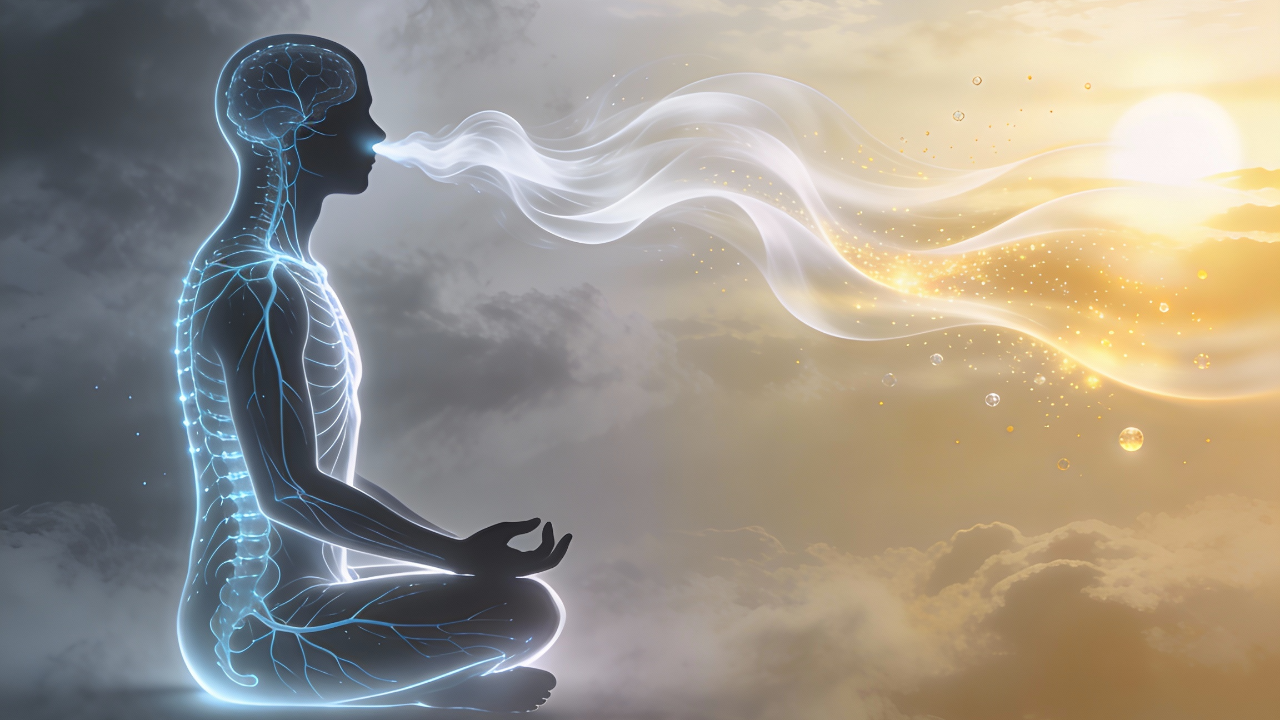
Tools to Regulate Your Nervous System
Balancing the Autonomic Nervous System (ANS) is about giving your body repeated experiences of safety, rhythm, and flow so it can shift out of chronic fight-or-flight and back into regulation. In order to heal, your nervous system needs to be regulated. Not sure if you are regulated? Take this FREE ASSESSMENT. Here are practical, evidence-informed exercises you can use daily.
- Paced Diaphragmatic Breathing
This is one of the most reliable ways to activate the parasympathetic (“rest and digest”) branch of the ANS and improve heart rate variability (HRV).
How to practice (5–10 minutes):
- Sit or lie comfortably, one hand on chest, one on belly.
- Inhale through your nose for 4–5 seconds, letting your belly rise more than your chest.
- Exhale gently through your nose or pursed lips for 5–6 seconds. Aim for smooth, quiet breathing.
- Continue for 5–10 minutes, 1–2 times per day (waking and before bed are ideal).
Slow, rhythmic breathing in the 4.5–6.5 breaths per minute range has been shown to increase HRV and vagal tone, supporting better autonomic regulation and stress resilience.
- Humming or Chanting for the Vagus Nerve
Humming adds a gentle vibration through the throat and chest, mechanically stimulating branches of the Vagus Nerve and enhancing the calming effect of slow breathing.
How to practice (2–5 minutes):
- Inhale gently through your nose.
- On the exhale, hum a steady tone (or “om”) until your breath runs out, feeling vibration in your chest, throat, and face.
- Pause briefly, then repeat for several minutes.
Combining slow breathing with humming has been shown to improve HRV and subjective relaxation compared to rest.
- “Basic” Vagus Nerve Reset (Head-Turn Exercise)
Simple positional work for the neck can reduce neck tension and stimulate the vagus nerve via connections in the upper cervical region.
How to practice (1–3 minutes):
- Lie on your back or sit tall.
- Turn your head as far as comfortably possible to the left and then to the right, noting how far you can turn each side.
- Return to center and interlace your hands behind your head to keep it stabilized.
- Without moving your head, gently look with your eyes to the right for 30–60 seconds, until you feel a spontaneous sigh, swallow, or yawn.
- Return eyes to center, then repeat looking to the left.
- Turn your head to the right and left again, noting how much further you are now able to move it.
This kind of exercise can help shift the system out of a freeze or hypervigilant state by encouraging parasympathetic activation and release of stored neck/upper spine tension.
- Full-Body Shaking to Discharge Stress
Shaking mimics the way animals discharge survival energy after threat and can help move you out of a dorsal vagal “freeze” pattern.
How to practice (2–5 minutes):
- Stand with feet hip-width apart, knees soft.
- Begin gently bouncing and shaking your hands, shoulders, and hips, gradually involving the whole body.
- Shake for 1–2 minutes, then slow down, come to stillness, and notice sensations as you breathe deeply.
This helps your body complete stress responses, improving autonomic flexibility and emotional regulation.
- Gentle Yin-Style Yoga or Forward Folds
Slow, breath-led movement and longer-held poses can support parasympathetic dominance and vagal activation.
How to practice (5–15 minutes):
- Choose a few gentle poses: seated forward fold, child’s pose, reclined twist.
- Hold each for 2–5 minutes while breathing slowly into your belly.
- Focus on softening your jaw, shoulders, and belly on every exhale.
Research and clinical experience suggest that slow, sustained yoga poses paired with mindful breathing help regulate the ANS and reduce perceived stress.
- Daily Rhythm and Micro-Resets
Your ANS also responds to predictable routines and brief, frequent regulation “snacks.”
You can:
- Do 1–2 minutes of paced breathing before emails, sessions, or driving.
- Take regular movement/stretch breaks to interrupt long periods of sitting (which can reinforce a stress posture).
- Use a brief gratitude or sensory-awareness pause (name 3 things you can see, hear, feel) to ground and signal safety.
Short, consistent practices can meaningfully shift baseline autonomic tone over time by repeatedly bringing the system back into balance.
For long-standing nervous system dysregulation, consider incorporating Mind Body Spirit Release® into your health-supporting modalities. It can help you recognize unprocessed emotions, release them and recreate the life you desire.
Stay connected with news and updates!
Join our mailing list to receive the latest news and updates from our team.
Don't worry, your information will not be shared.
We hate SPAM. We will never sell your information, for any reason.
