
The BioElectrical Body and How It Stores Emotions
Nov 21, 2025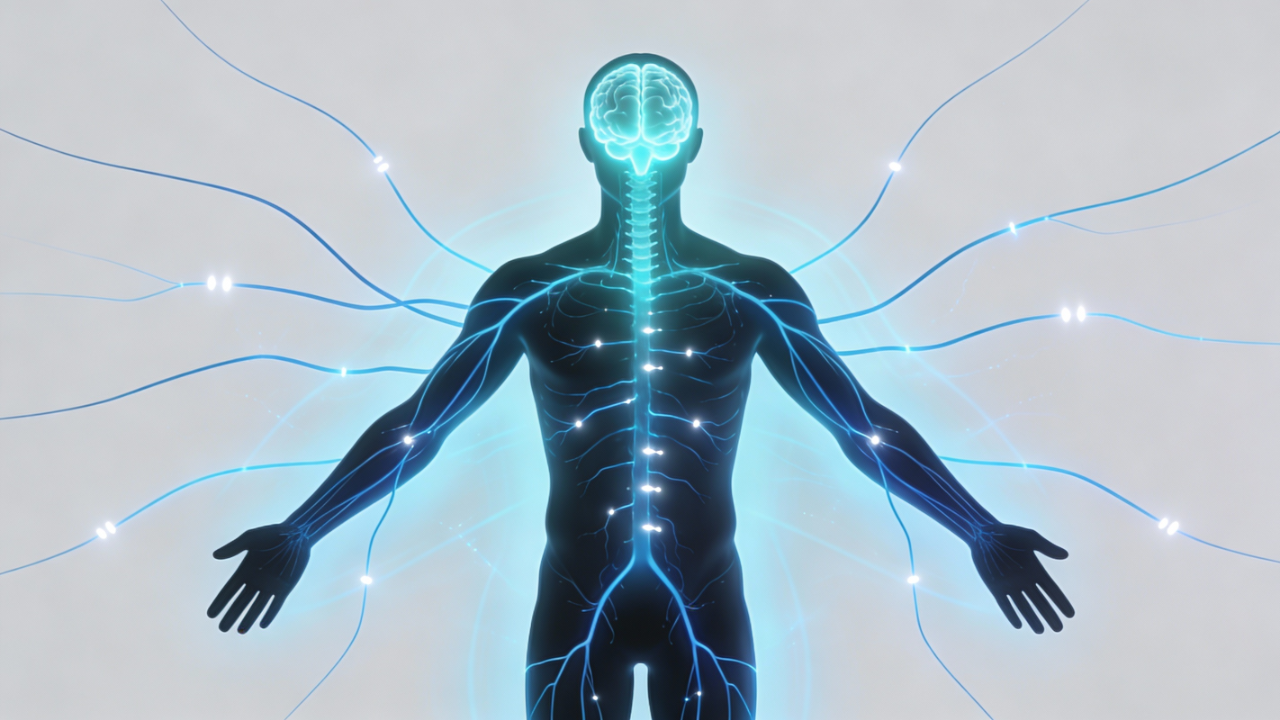
The body does more than just carry out physical functions. It also responds to thoughts, stress, and experiences in ways that can be felt over time. Understanding the bioelectrical body and how it stores emotions offers a different perspective on how emotional experiences may influence physical tension, energy, and overall well-being.
Many holistic approaches suggest that the body communicates through subtle electrical signals and that unresolved emotions can show up as patterns in posture, muscle tension, or energy flow. While this idea is explored in practices like energy work and mind-body therapies, it continues to be studied and interpreted in different ways.
In this guide, we’ll explore the bioelectrical body and how it stores emotions, what this concept means, and how it may relate to stress, physical sensations, and overall balance in the body.
Your Body’s Electrical System
Your cells, especially nerve and muscle cells, maintain voltage differences across their membranes, creating tiny batteries throughout your body. When channels in the cell membrane open, ions move, generating electrical impulses that travel along nerves and coordinate everything from heartbeat and digestion to muscle movement and thought. These impulses run through your brain, spinal cord, and peripheral nerves, forming a constantly active electrical communication network.
Because this system is electrical, it is also sensitive: chronic stress, trauma, and inflammation can change how easily these signals fire and how long they stay “switched on.” Over time, this shifts the baseline of your nervous system toward either chronic hyperarousal (on edge, anxious) or collapse (numb, shut down).
How the Nervous System Processes Emotion
When something happens in your environment, sensory nerves send electrical signals to your brain, where regions like the amygdala, hypothalamus, and cortex interpret meaning and trigger an emotional response. That interpretation then sends cascades of signals through the autonomic nervous system, changing heart rate, muscle tone, breathing, hormones, and more.
If the experience feels overwhelming or unsafe, the body prioritizes survival responses—fight, flight, or freeze—over full emotional processing. If this happens repeatedly, the nervous system can start to “memorize” these survival patterns and default to them even when the current situation is not truly dangerous.
How Unhealthy Emotions Get Stored
Every time you go through a stressful event, your body generates a specific pattern of electrical firing, chemistry (hormones and neurotransmitters), and muscle/posture changes. When that event is not fully processed, these patterns can become imprints—like a stored program, the nervous system can easily re-run later.
- These imprints live in neural circuits (pathways that fire together and wire together).
- They influence the autonomic nervous system, keeping it skewed toward chronic fight-or-flight or shutdown.
- They show up as bodily sensations—tight chest with anxiety, heavy limbs with depression, gut tension with fear—because emotional circuits are tied to specific somatic patterns.
In this way, “unhealthy emotions” are not just abstract feelings; they are repeatable electrical-chemical states that the nervous system can reactivate long after the original event is over.
The Body as a Flow System
Your bioelectric system is designed for flow: charge moves, signals fire and resolve, you respond, and then return to baseline. When emotional imprints and chronic stress keep circuits firing as if the threat is still present, the system loses flexibility and gets stuck in certain patterns.
This stuckness can
- Drain energy and resilience as the nervous system stays “switched on.”
- Disrupt detoxification, digestion, and immune function, all of which depend on balanced autonomic signaling.
- Make small triggers feel huge because they plug into already sensitized circuits.
Energetic and nervous-system–focused modalities, including Mind Body Spirit Release®, aim to identify these stress imprints through muscle response testing (a way of reading the nervous system’s electrical stress response) and then help calm and “reprogram” those pathways so the body can return to a healthier electrical balance.
A Different Way to Think About “Storing Emotion”
Seen through this lens, storing emotion is less about the body hiding feelings in one place and more about:
- Repeated electrical patterns wired into your nervous system.
- Chemical cascades that become your default internal environment.
- Bodily sensations and postures that your system has learned to associate with certain emotional states.
When you start to release these patterns—by bringing them into awareness, supporting the nervous system back toward homeostasis, and giving the body new experiences of safety—the electrical system can fire differently, and the “stored” emotions no longer have to run the show.
Stay connected with news and updates!
Join our mailing list to receive the latest news and updates from our team.
Don't worry, your information will not be shared.
We hate SPAM. We will never sell your information, for any reason.
